Famous Thailand 🍲
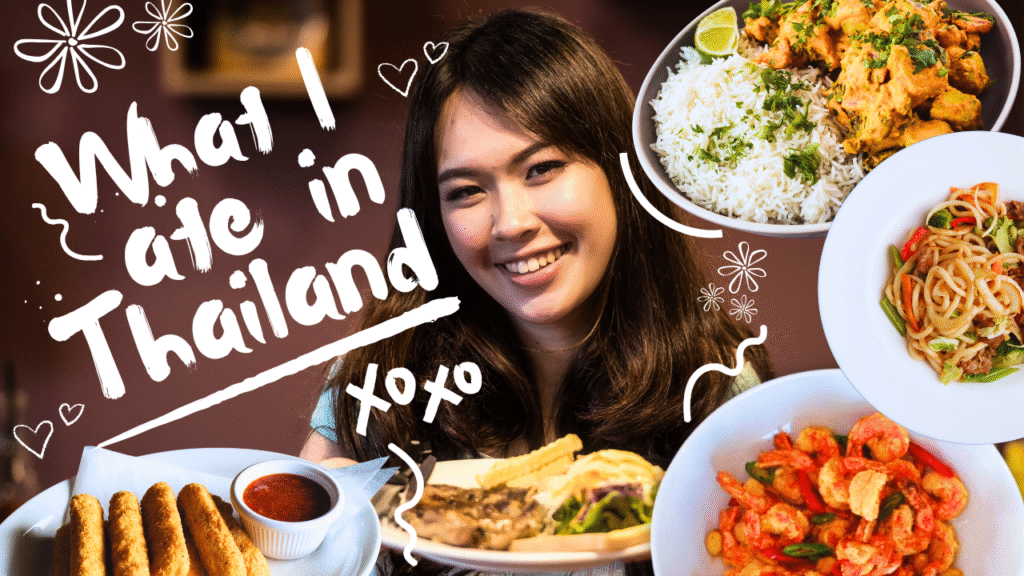
🍲 Famous Food in Thailand
Thailand is a paradise for food lovers, offering a colorful and flavorful culinary experience that captures the essence of its rich culture and traditions. The country’s cuisine is celebrated worldwide for its perfect balance of sweet, sour, salty, spicy, and bitter flavors, all harmoniously combined in every dish. From the bustling street markets of Bangkok to the quiet coastal towns of Krabi and Phuket, every corner of Thailand has something delicious to offer. Thai food is not only about taste — it’s about aroma, presentation, and the joy of sharing meals with others. The use of fresh herbs, spices, and local ingredients like lemongrass, galangal, lime leaves, chili, and coconut milk makes Thai food both unique and unforgettable.
One of the most famous dishes in Thailand is Pad Thai, a stir-fried noodle dish that has become a global favorite. It is made with rice noodles, eggs, tofu, bean sprouts, and shrimp or chicken, all tossed in a tangy tamarind sauce and garnished with crushed peanuts and lime. Pad Thai represents the heart of Thai street food — simple, flavorful, and satisfying. It’s a dish you can find everywhere in Thailand, from small roadside vendors to high-end restaurants, and each version has its own local twist. Another iconic dish is Tom Yum Goong, a spicy and sour shrimp soup that embodies the true Thai balance of flavors. With ingredients like lemongrass, galangal, kaffir lime leaves, chili, and fish sauce, this soup offers a refreshing and fiery taste that wakes up your senses. Tom Yum is not just a soup — it’s an experience that defines the spirit of Thai cuisine.
For curry lovers, Green Curry (Gaeng Keow Wan) and Red Curry (Gaeng Daeng) are must-try dishes. Green Curry, known for its creamy texture and vibrant color, is made from green chili paste, coconut milk, chicken, bamboo shoots, and Thai basil. It has a spicy yet sweet flavor that pairs perfectly with jasmine rice. Red Curry, on the other hand, gets its bold color from dried red chilies and is slightly less spicy but richer in flavor. Both dishes highlight the Thai art of blending coconut milk and spices into a delicious, aromatic sauce. For those who prefer milder flavors, Massaman Curry is a popular choice. Influenced by Persian cuisine, this curry uses ingredients like potatoes, peanuts, and cinnamon, giving it a slightly sweet and nutty taste that melts in your mouth.
Som Tam (Green Papaya Salad) is another Thai favorite, especially in the northeastern region of Isaan. It’s a refreshing salad made with shredded raw papaya, tomatoes, green beans, garlic, lime, fish sauce, and plenty of chilies, all pounded together in a mortar to release their natural flavors. Som Tam perfectly reflects Thai cuisine’s love for bold, tangy, and spicy combinations. It’s often served with sticky rice and grilled chicken (Gai Yang), creating a complete meal that’s both light and satisfying. Speaking of grilled dishes, Moo Ping (Grilled Pork Skewers) and Kai Yang (Grilled Chicken) are popular Thai street snacks that are marinated with herbs, garlic, soy sauce, and coconut milk before being grilled to perfection. The smoky aroma and juicy tenderness make them irresistible, especially when eaten with spicy dipping sauces.
Seafood lovers will be delighted in Thailand, as coastal regions like Phuket, Krabi, and Pattaya are known for their fresh and flavorful seafood dishes. Pla Pao (Grilled Fish) is a common sight at night markets — a whole fish stuffed with lemongrass and coated in salt before being grilled slowly. The result is a soft, flavorful fish that’s served with a tangy chili sauce. Another seafood delicacy is Hoy Tod (Oyster Omelette), a crispy and savory dish made with oysters, eggs, and rice flour batter. It’s usually served with a spicy chili sauce and is loved for its crunchy texture and rich flavor. Goong Pad Nam Prik Pao (Stir-Fried Shrimp with Chili Paste) is another favorite that combines the sweetness of shrimp with the spiciness of Thai chili paste.
No discussion of Thai food would be complete without mentioning Khao Pad (Thai Fried Rice) and Khao Soi, a northern Thai specialty. Khao Pad is a comforting dish made with jasmine rice, eggs, vegetables, and your choice of meat, all stir-fried with fish sauce, soy sauce, and a squeeze of lime. Khao Soi, on the other hand, is a creamy coconut curry noodle soup topped with crispy noodles, usually served with chicken or beef. Originating from Chiang Mai, Khao Soi is beloved for its rich, spicy broth and the perfect mix of soft and crunchy textures.
For dessert lovers, Thai cuisine offers a variety of sweet treats that are just as unique as its savory dishes. Mango Sticky Rice (Khao Niew Mamuang) is Thailand’s most famous dessert, combining ripe, juicy mangoes with sticky rice soaked in coconut milk and topped with sesame seeds. The combination of sweet mango and creamy coconut makes it a perfect ending to a spicy meal. Other popular desserts include Tub Tim Grob (Water Chestnuts in Coconut Milk), Khanom Buang (Thai Crispy Pancakes), and Luk Chup (Colorful Mung Bean Sweets) — each offering a glimpse into Thailand’s artistic approach to food presentation.
Street food is at the heart of Thai culinary culture. From busy night markets to floating markets, food vendors serve everything from spicy noodles to tropical fruits. Trying Satay Skewers, Fried Insects, Coconut Ice Cream, and Roti Pancakes is part of the Thai experience. The street food scene not only showcases the diversity of Thai cuisine but also its accessibility — delicious meals are available for everyone, regardless of budget. Eating on the streets of Bangkok or Chiang Mai gives travelers a chance to connect with locals and experience authentic flavors in a lively atmosphere.
Thai cuisine is also deeply rooted in its cultural and religious traditions. The art of cooking is often associated with mindfulness, respect, and harmony. Meals are shared among family and friends, and food is seen as a way to express love and hospitality. The balance of flavors in Thai dishes symbolizes balance in life itself. Moreover, regional variations across Thailand — from the spicy dishes of the north to the sweet and seafood-rich cuisine of the south — reflect the country’s diverse geography and influences from neighboring nations like China, India, and Malaysia.